
This is a semi-blind experiment, to try something new after bypassing the new Tecsun PL-520 and MLite-880 SDR. The price from Banggood is $72.99 including shipping, plus tax. They’re also available on Amazon for (gasp) $150 plus tax.
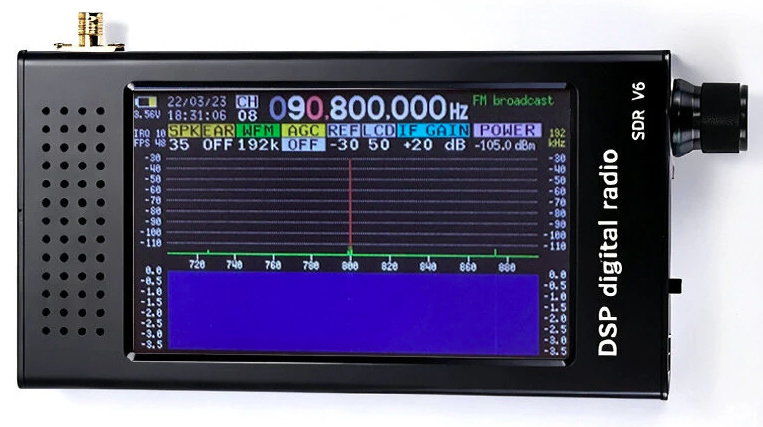
This is a semi-blind experiment, to try something new after bypassing the new Tecsun PL-520 and MLite-880 SDR. The price from Banggood is $72.99 including shipping, plus tax. They’re also available on Amazon for (gasp) $150 plus tax.
There’s been quite a stir with questions on social media about a new radio model from Tecsun, the PL-520. At first glance, it looks like a PL-330 with rounder corners, gray instead of black.
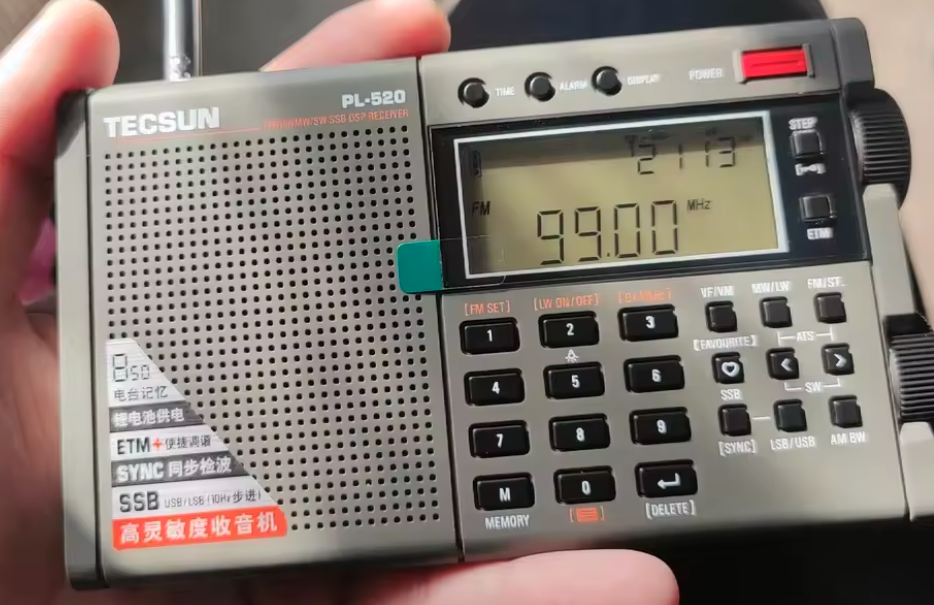
If at first you don’t succeed, order, order again.
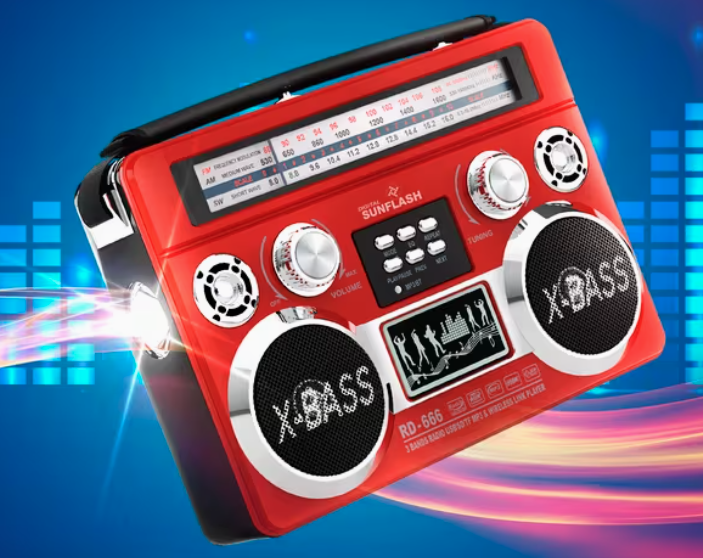
After returning the QFX R-333BT that I paid around $30 for because it was defective, I looked around on TEMU to reorder what I hoped to be a fully working model and came across a very similar device, the only visible difference, the words X-BASS on the speakers and no “disco lights” in the front. With some mystery special discount, plus tax and shipping, this one came in at $14.73. So what I expect, for half the money, is the same radio less the disco lights, one that actually receives MW. The seller said they were “almost out.”
I reordered because I thought the speaker, at first listen, sounded exceptional. I still have to decide how to charge the thing.
Delivery expected delivery: January 23-30. [Update: delivery delay be because of weather. 1/31/26]
This thing is HUGE. The second thing is that it reminds me of my Evche EVCHE EC-2110BTS radio, although the latter is considerably smaller and less colorful. Both are MW/FM/SW radios that can be powered by D-cell batteries, both have rechargeable batteries, both come with an AC power cord, both play Bluetooth and MP3 with an AUX input, both have flashlights and both top the MW band around 1600 kHz.
The box and packaging make a polished retail impression and I could easily imagine this on the shelf of a Walmart store. The chrome knobs really shine. There is a shoulder strap, folded, and wrapped in a Velcro closed sheath that converts it to a carrying handle. Nice job on that.
Not new, but I finally got around to installing v4.21, October 27, 2025, on my ATS25 max-Decoder.
AIR beta 27/10/2025
Supported Models: ATS25 / ATS25+ / ATS25X1 / ATS25X2 / ATS25 max, ATS25 max-Decoder, ATS-Decoder Pocket, ATS120, ATS25AMP, ATS25 max-Decoder II, ATS120D / ATS120 Pro, ATS-Decoder Mega, ATS25-XF, ATS25Ultra, ATS200, ARESQ aq1, ATS25 Pro+, ATS25 max-Decoder II AIR, ATS-Decoder Mega AIR, ATS200D
I downloaded the ZIP version from http://www.harduino.ru/index.php/ru/skachat. I let Google Chrome handle the translation.
The EXE wouldn’t download onto a Windows computer, so the ZIP version was necessary. During the installation process, you will have to identify a COM port to the installer.
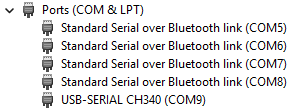
The one saying CH340 is the one to select when asked for a COM port, in my case COM-9.
When the USB cable is ready, power off the ATS25 and power it back on while pressing the encoder wheel in. If it displays WELCOME, click the encoder wheel.
This is the thing:
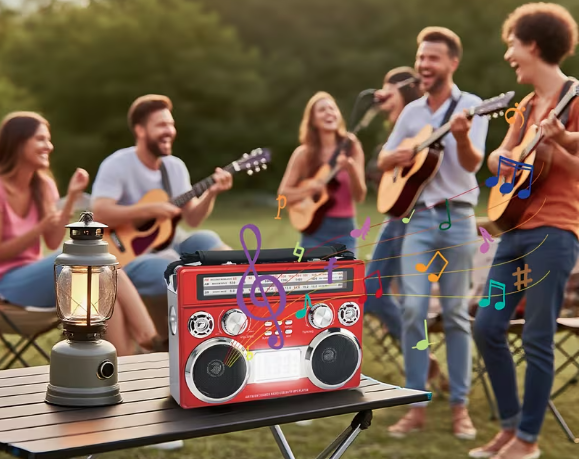
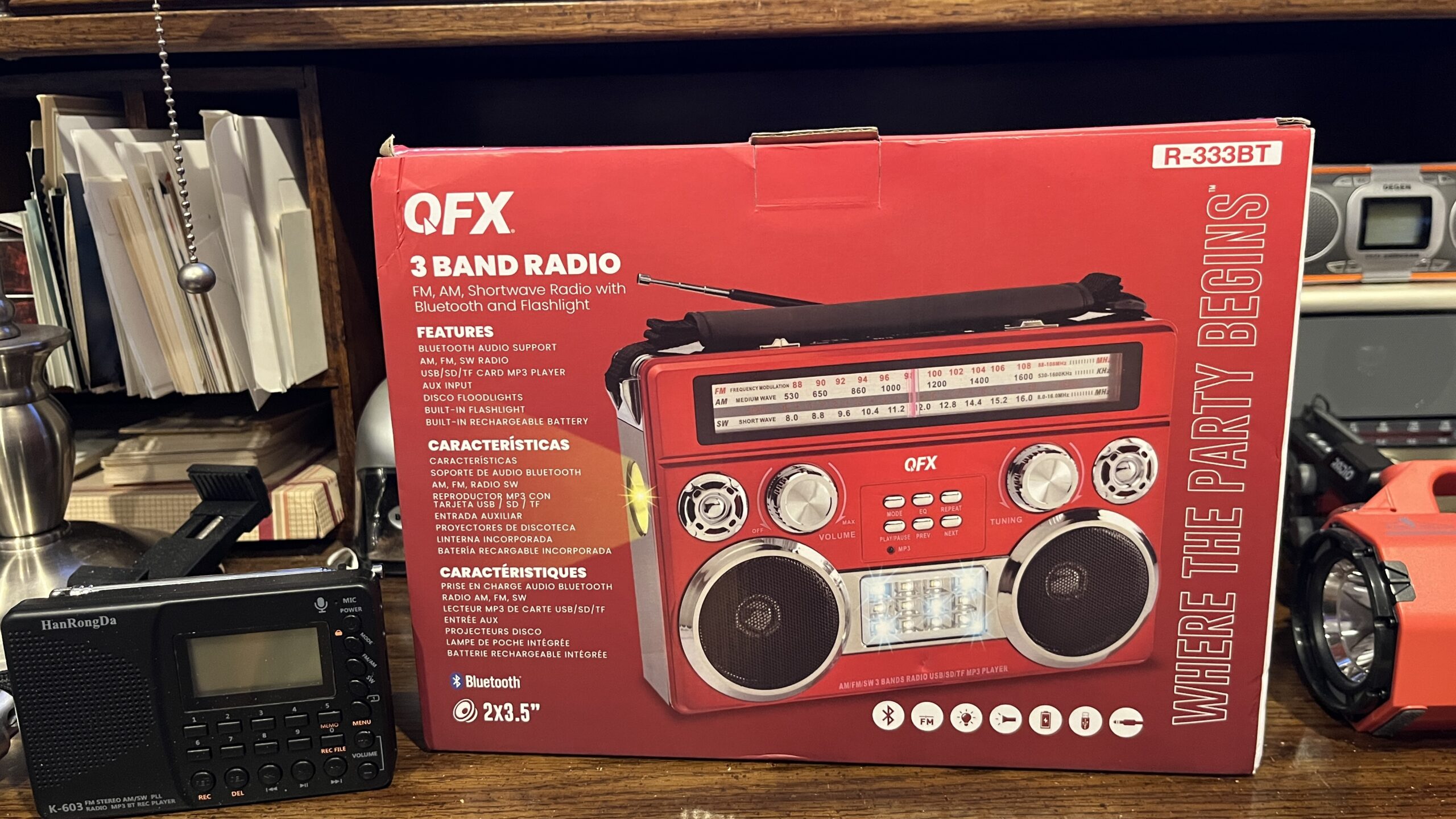
It ended up costing $30 on TEMU, whatever it is. I probably overpaid — other sellers have something similar looking for less.
I couldn’t find a manufacturer or model in the product description (linked “manual” says it’s R-333BT). (The one received says QFX.) The manual is just a list of product specifications. The main features are: red and stereo. It reminds me some of the Evche EC-2110BTS, a device that has a solid speaker.
Shortwave coverage looks like 8 to 16 MHz. MW is 530 – 1600. FM 88-108.
Reviewers said it’s very loud.
Additional features include Bluetooth, MP3, equalizer, AUX input, disco lights and a flashlight.
The product description says batteries not included. The “manual” says 4 D cells, but also an internal rechargeable battery.
Likely destination: Goodwill store, but it might get used as a Bluetooth speaker.
It was New Years Day 45 years ago when I opened my new Radio Peking calendar to the first page of the new year. And in that January 1 square I penciled in reception notes from what I heard on my new Realistic DX-300 receiver.
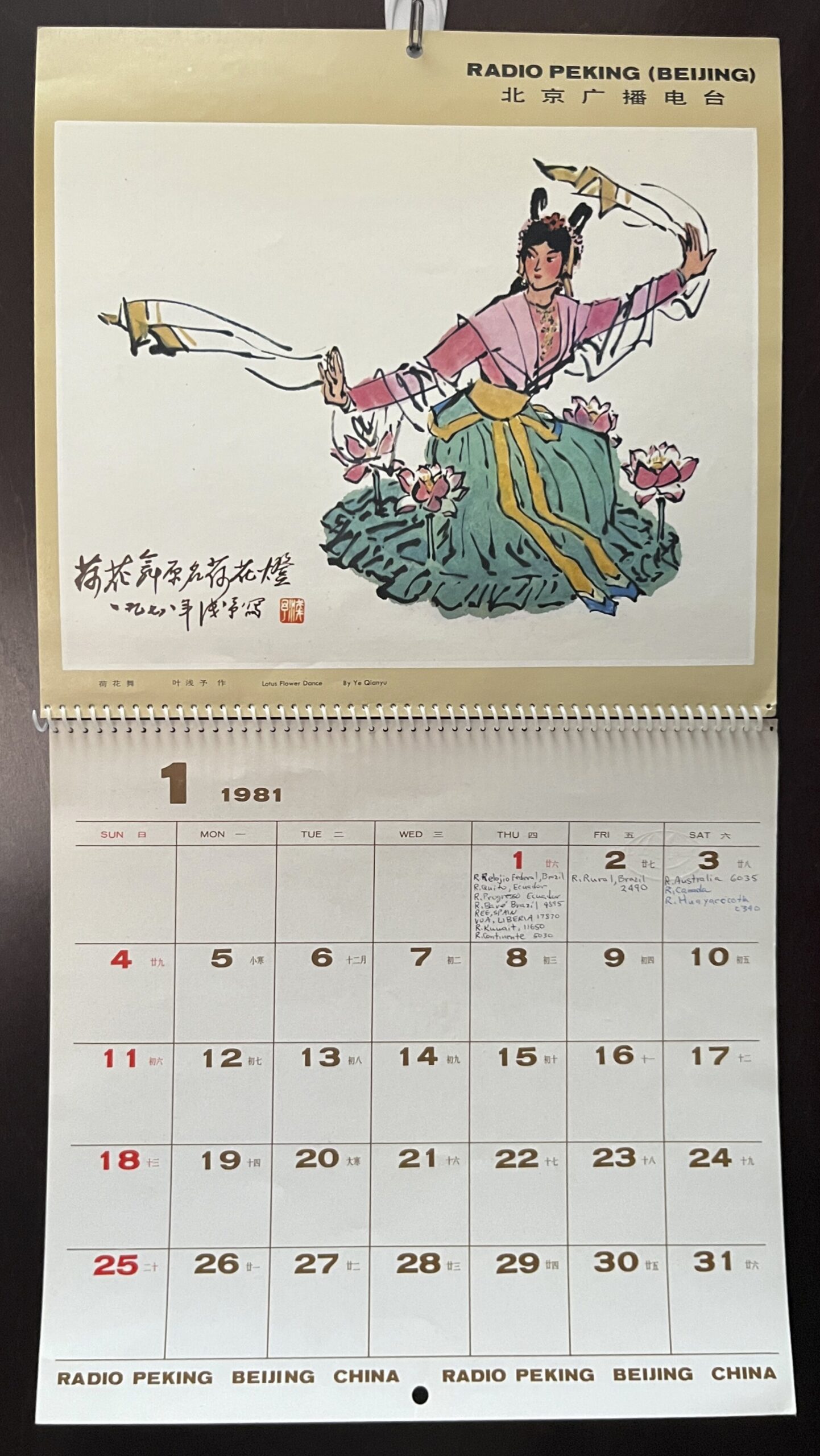
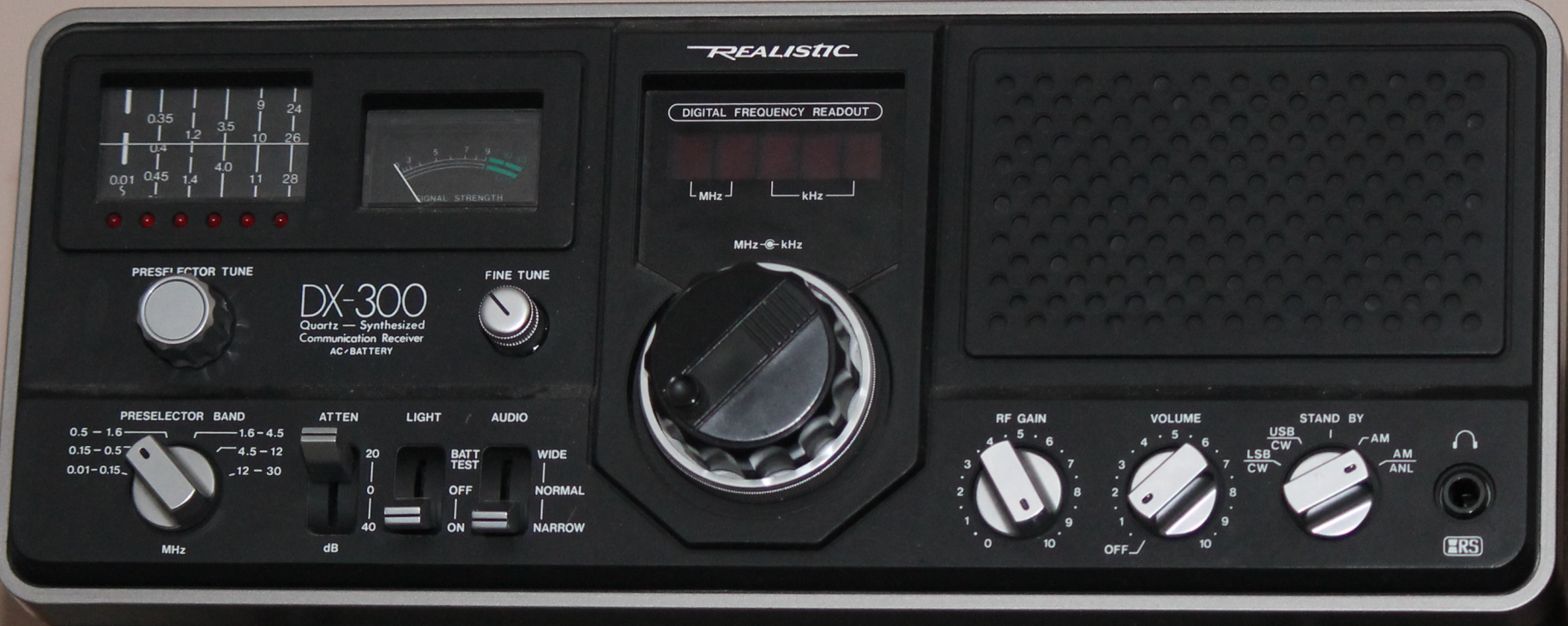
The DX-300 is long gone, but I still have the calendar, and I’ve hung it on the wall for 2026 as the week days and dates once again correspond.
Sadly, many of those stations are gone. The VOA transmitter in Liberia has been off the year for years, but as the months of 2026 pass, I’ll have warm nostalgia thinking about the younger version of me tuning the bands back when the noise floor was much lower and many more countries tried to make friends across the world through shortwave radio.