
There is no hint in the Amazon product description that this emergency radio has app control, but it does. The same Radio-C/Radio-CT app that I’ve enjoyed with other radios like the HRD-757 and Raddy RF75A, also works here.
Unboxing
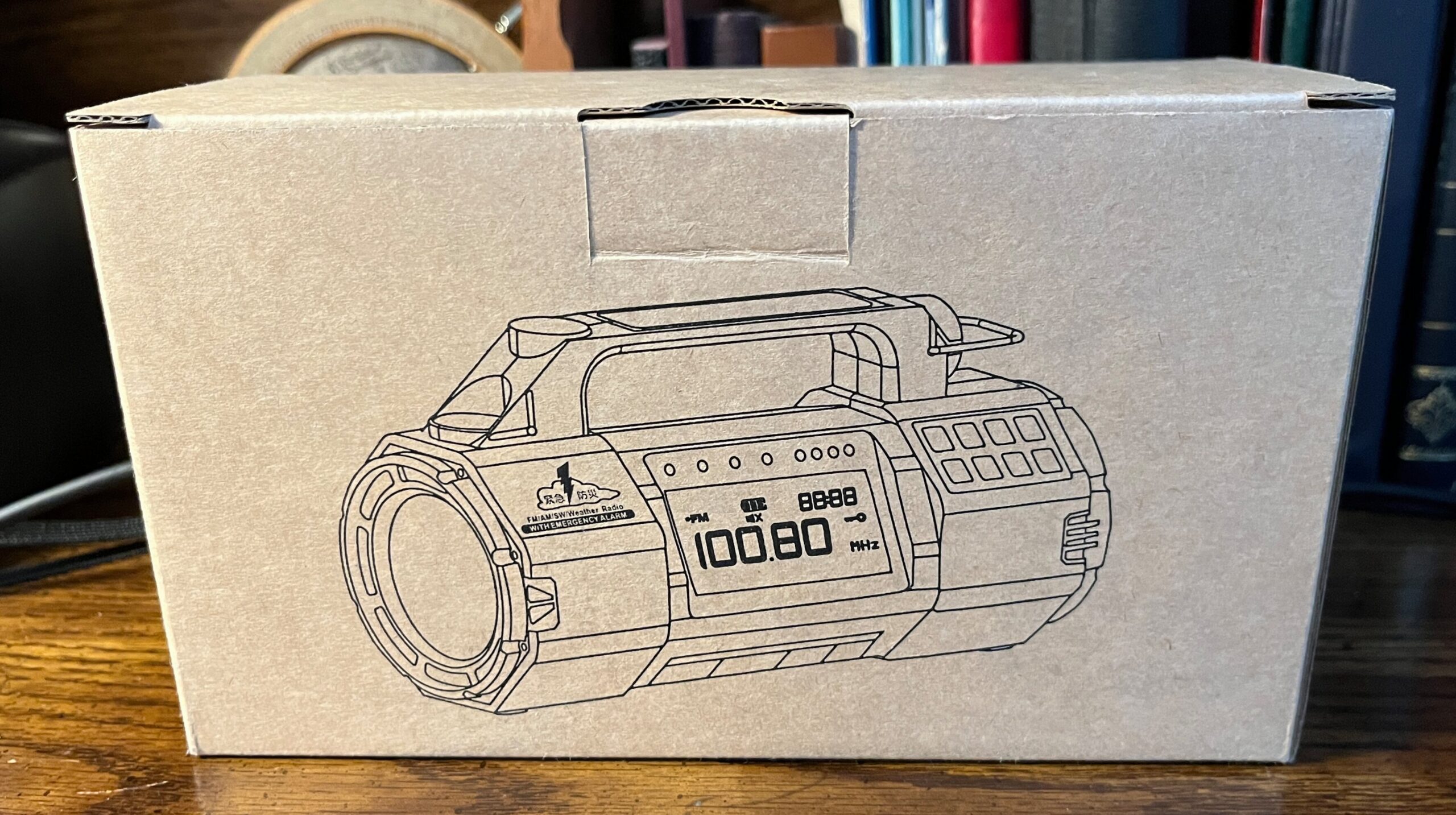
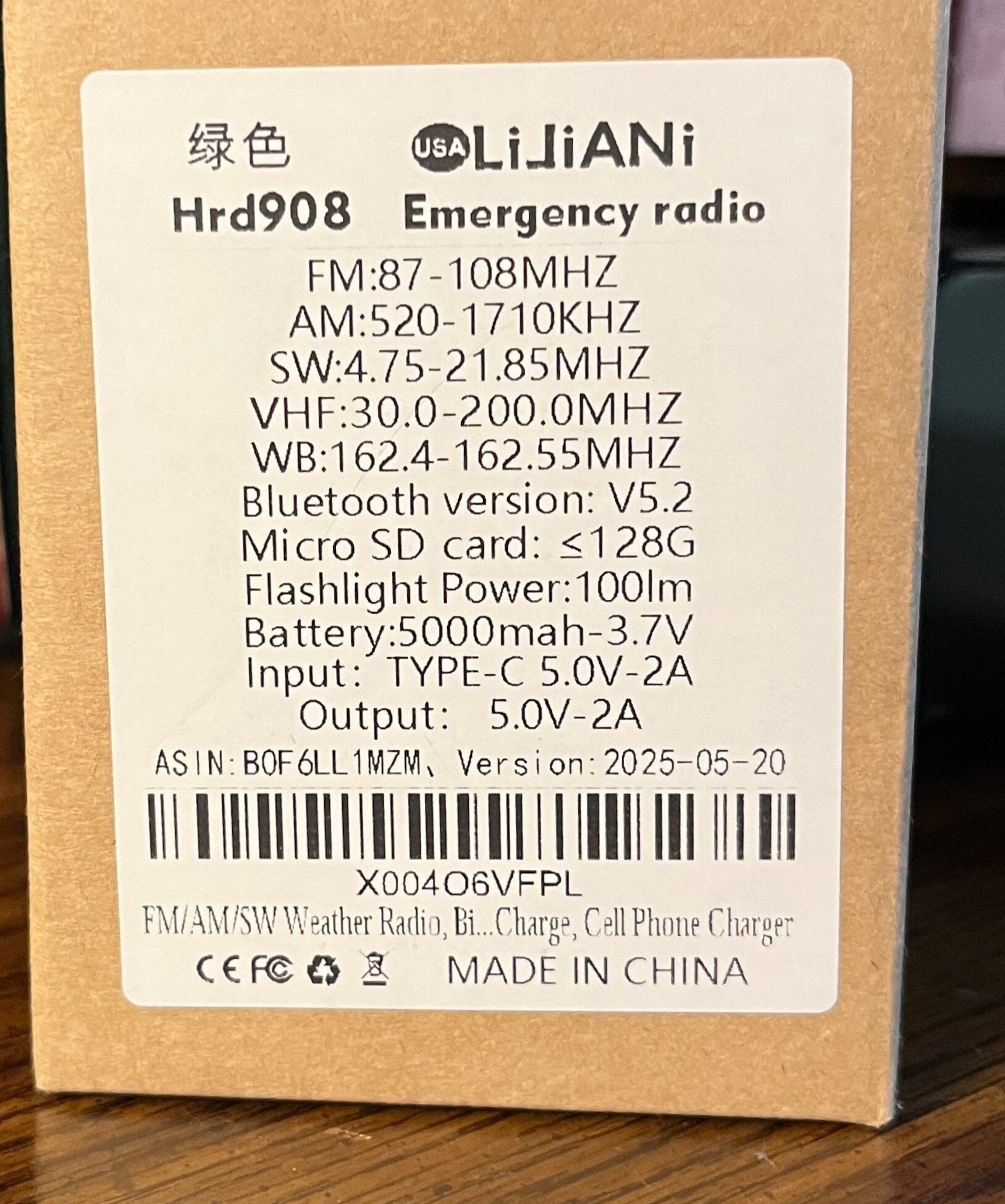
There is no hint in the Amazon product description that this emergency radio has app control, but it does. The same Radio-C/Radio-CT app that I’ve enjoyed with other radios like the HRD-757 and Raddy RF75A, also works here.
One big annoyance with my AMNVOLT Mini SI4732 V3 is that every time I get it out to use, the battery indicator is deep into the red zone. I had just assumed it was a bad battery with abnormal internal resistance.
Thanks to commenter David, I’ve learned that this is not the case. He pointed me to an explanation of the problem on GitHub.
It’s hard to believe that anyone would do something this stupid, but the ATS Mini V3 circuit is partially connected to the battery EVEN WHEN THE POWER SWITCH IS OFF. Not only is this inconvenient, but the additional battery charging will eventually reduce battery longevity.
I’m not sure what to do. The fix suggested looks difficult and holds the risk of irreparably damaging the radio. There are other suggested fixes:
Update: There is a less expensive edition of this radio sold under the Zhiwhis brand, the ZWS-908. Update 2: It disappeared from Amazon.
This one caught me by surprise. I have a LiJiANi Rd908 emergency weather radio. My wife is the primary user, mostly for FM radio. It uses a pair of 18650 flat top batteries, providing lots of play time for her at her preferred low volume level. You can read the saga of that radio. If interested.
Today I was looking up some information in the Amazon product listing of the Rd908 in preparation for another article, only to learn that there is a new version, not just the simple promised addition of a few ATS memory slots and a SW meter band select function. The LiJiANi store on Amazon now sells a version under the HanRongDa brand, that comes in a different color, green. It has an additional VHF band. It adds Bluetooth and MP3 play (in a card slot blocked off in the LiJiANi version) and narrows shortwave coverage significantly. It adds 6 equalization profiles (Normal / Pop / Rock / Jazz / Rock / Classic / Country) for music play.
This feature summary accompanies the listing:
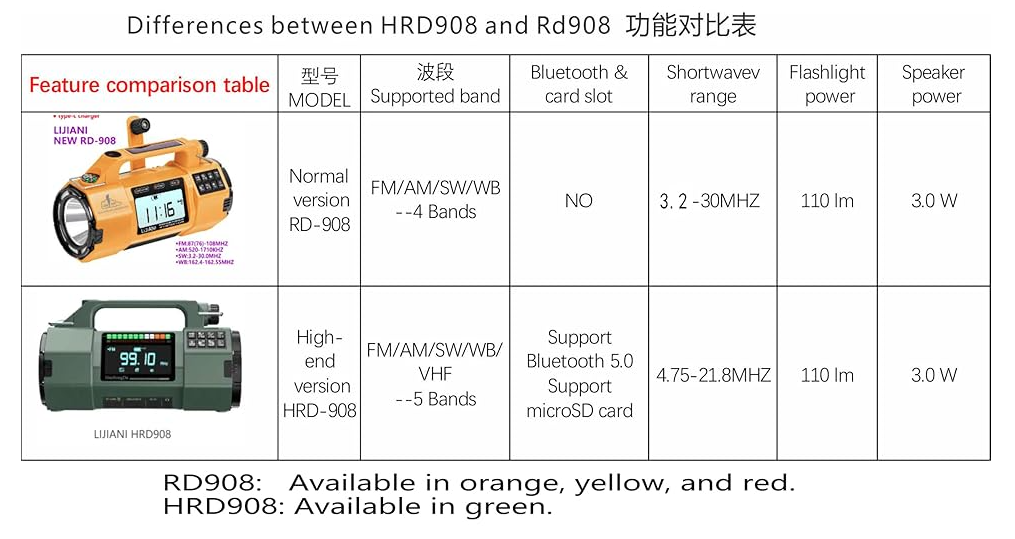
While the case seems the same except for color, one wonders if this is a wholly different radio inside. The multicolored bar above the display is something to do with the music playing.
Here is a closeup of the controls:

It also has a knob and a button to control the light on top.
Check out the manual, and just for grins how about some teardown photos? Let’s see what other surprises there are!
Arrives June 28.
It’s hard to believe that it’s been over a year since my article, The Thunderous Clash of the Weather Radios, but in that time quite a bit weather radio wise has happened. The iRonsnow IR-688 and the Mesqool CR1009 Pro are gone (donated to charity) and somehow the remaining 6 weather radios in my accumulation has exploded in number to 15!
Today Fluvanna County, Virginia, where I live is under an Extreme Heat Advisory, prompting me to get the official NOAA forecast via radio from weather station KZZ28. The station is located on Mount Olive 37°52’35.8″N 78°41’27.6″W, 21 miles from where I live. Here’s the satellite imagery:
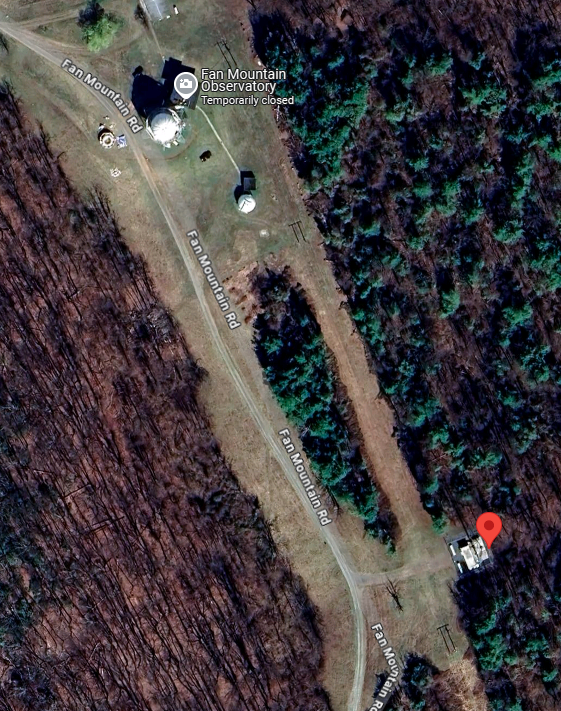
Also shown is the Fan Mountain Observatory. I thought about driving up for a photo op, but I’m informed that the road is closed to general traffic with the exception of twice a year when the public is invited to the observatory.
On a good day, I can receive three weather stations: my local station KZZ28 on 162.450 MHz, WXK65 on 162.475 in Richmond, VA, and WXL21 on 162.550 in Lynchburg. More about the “good day” later.
Update: I found a cool website with information about NOAA weather stations, WeatherRadio.NET.
Too many for a group photo on my radio desk, the radios took turns (click photos to expand).
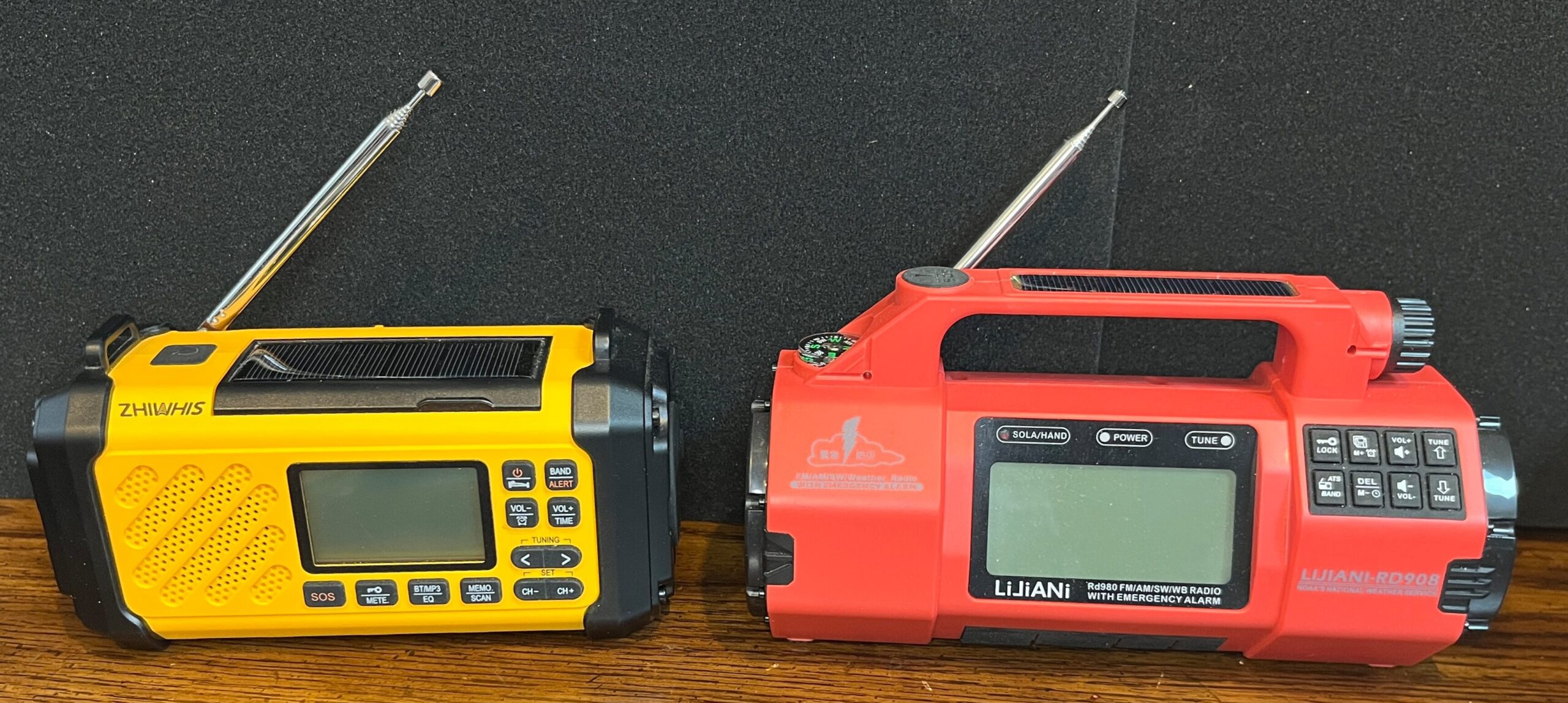

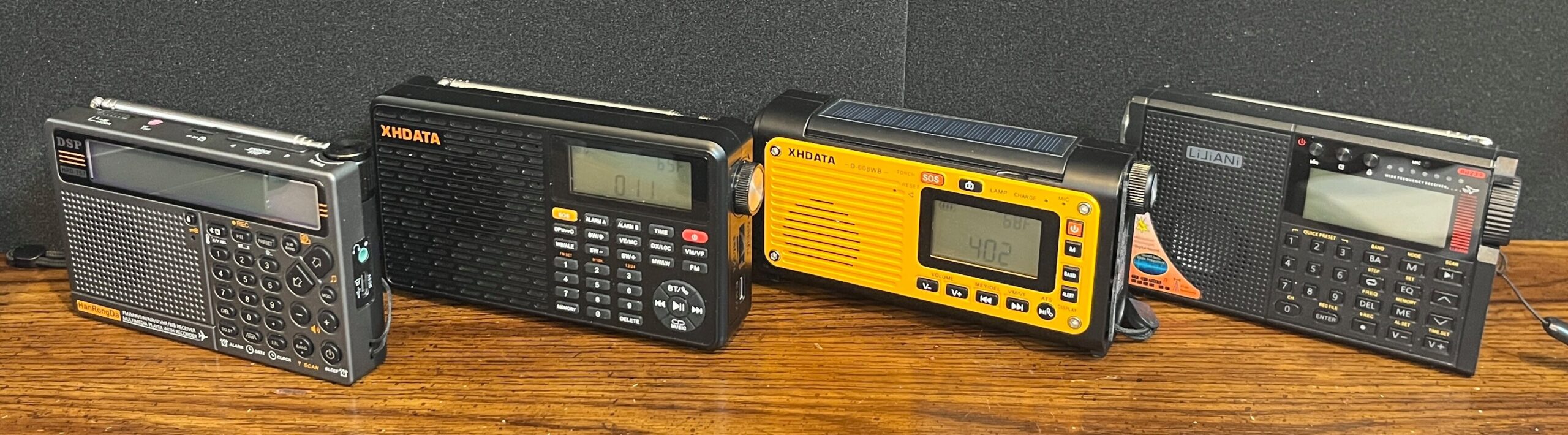

What we have is a mixture of emergency radios, walkie talkies, SDRs and shortwave radios that include weather band. Most have an alert feature but some do not.
Continue readingI have a Microsoft Surface Pro 11 tablet computer with a Qualcomm Snapdragon processor running Windows 11. None of the SDR software I tried worked with my RTL-SDR Blog V4 dongle. The software couldn’t communicate with the dongle.
The solution is to go to armsdr.com, download the SDR++ build from that page, then go to the driver installation page and do exactly what it says. I had to do the regedit step on the page (note to self: be sure to enclose the GUID in braces).
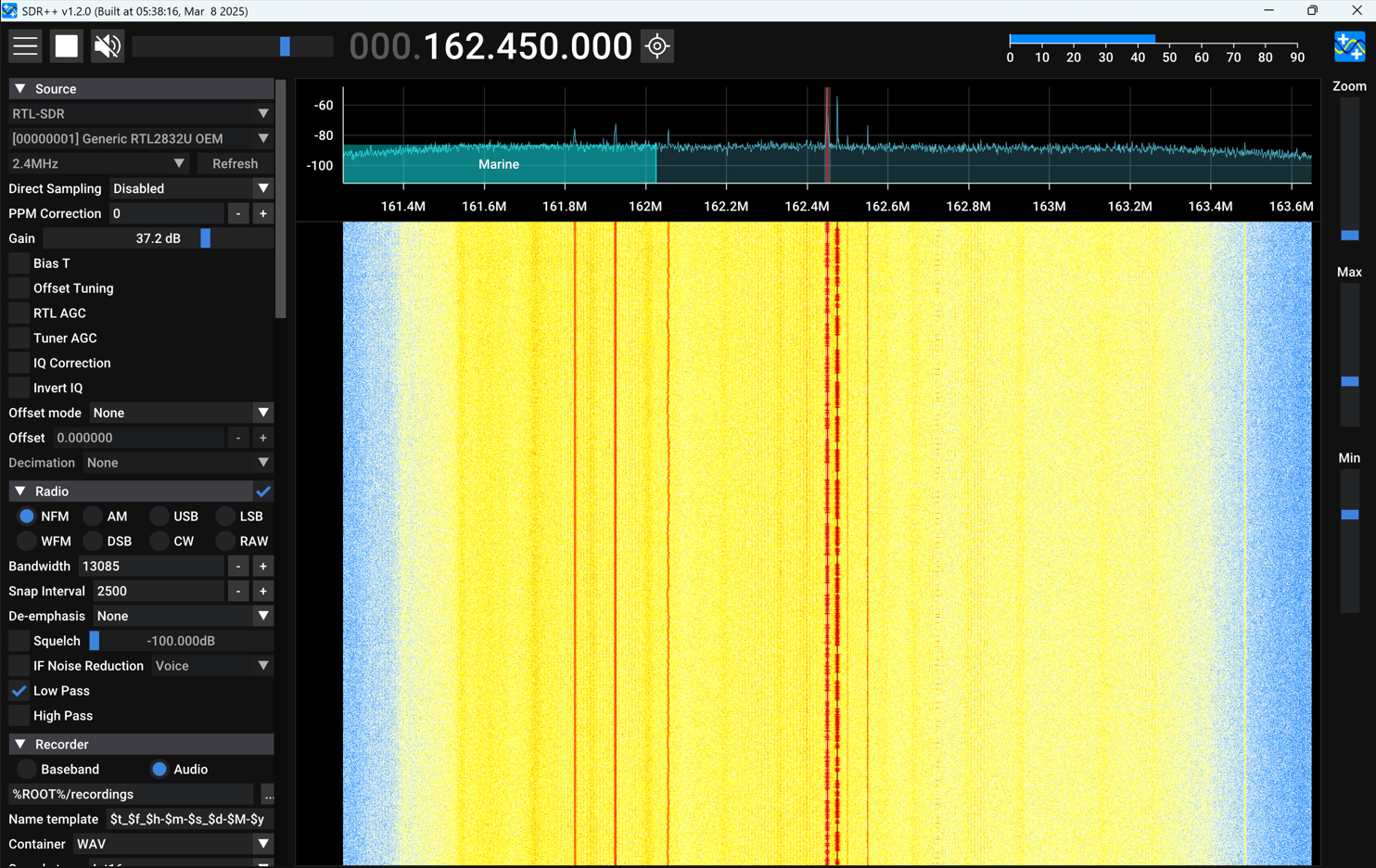
What I found was that my ARM tablet ran much cooler than my older Intel-based tablet accessing an SDR.
I’m literally stunned by how little money it’s going to cost to replace my Invisible Fence brand pet containment system. I paid more for the last service call to fix a broken wire than an entire PetSafe® system complete. Installation should be a snap, given that the underground loop is already buried. I even own a PetSafe collar already that gets used at a relative’s house.
So, the plan is to have the new system up and running on July 4, American Independence Day.

I’ll be celebrating my independence from at least one noise source.
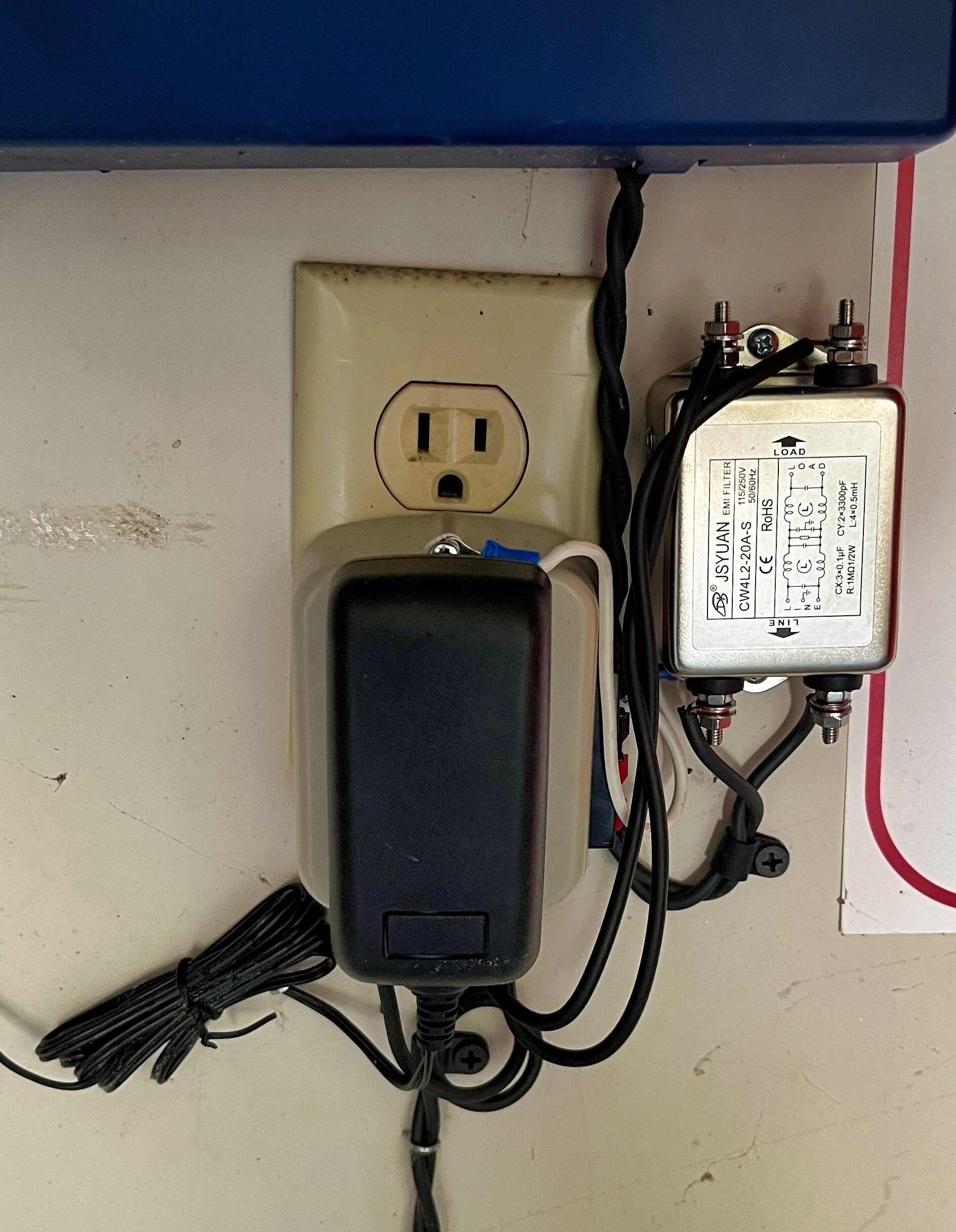
I’ve seen improvement in the noise just with the installation of the EMI filter between the fence transmitter and its loop, so right now I am enjoying the improvement and will work on total replacement later.
Now that I’ve started using the Si4732 ESP32 ATS V3, I’ve been disappointed. The technology is amazing, features overwhelming and the operation is close to optimum for a device with just an off-on switch and a knob. But to be a good radio, it has to get stations, and I wasn’t getting much on it when I tested radios for my Little Radio Review. So what’s going on?
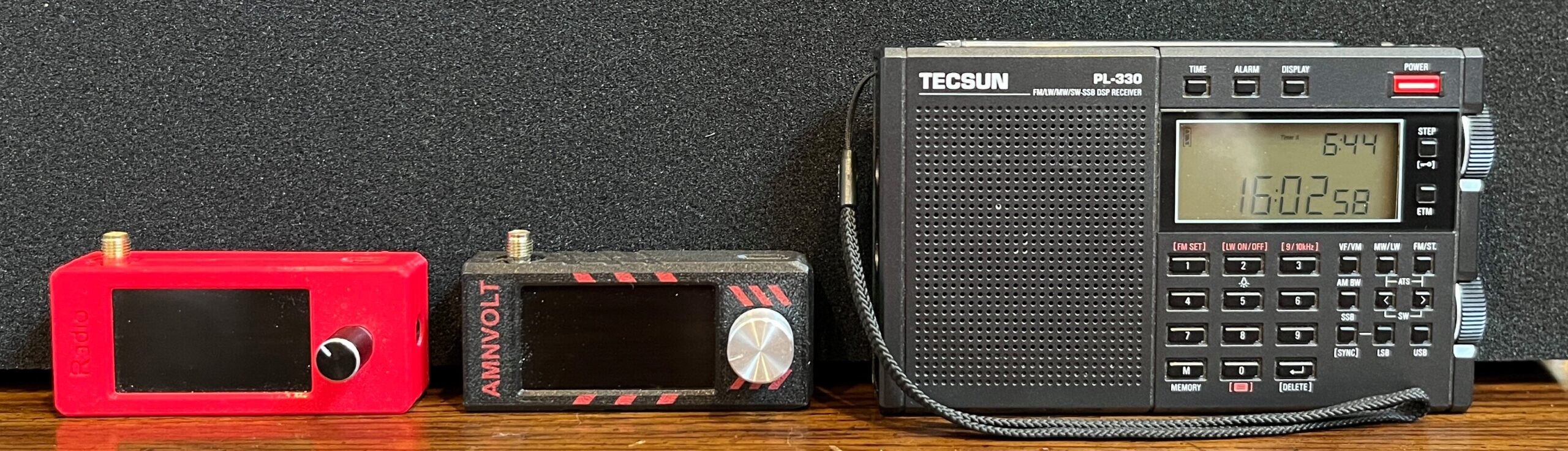
I have two ATS Mini radios. The first one was described on the product sheet as a “Mini Radio” and based on its hardware description is what is described as V1. The second one is described in its documentation as an ATS Mini and its hardware description points to it being V3, with the significant differences being that V3 has an adjustment to the antenna impedance that’s supposed to make it more sensitive and it has a separate amplifier for the audio output jack making it usable for headphones.
One of the most prominent experts on these radios is an amateur radio operator, Paul (OM0ET), who posts videos about radio topics on YouTube and in particular has modified the ATS Mini. Here is his early review of the V1 model:
A list of good things about the radio appears in the video description, including: “Sensitivity comparable with PL330.” Now that is a statement that I can objectively evaluate, since I have a Tecsun PL-330.
Continue reading